How to choose an Olympic barbell
Four decisions, in this order. Get the first one right and the rest get much easier; get it wrong and no amount of tensile strength will save you. This guide will not tell you which bar to buy — it will tell you how to work it out.
If you only read one thing
- Buying one bar? Buy a multipurpose bar, 28 to 28.5mm, dual knurl marks
- Squat, bench, deadlift only? 29mm power bar, bushings, centre knurl
- Snatch and clean and jerk? 28mm, needle bearings, no compromise on that
- Insist on a published tensile figure or a published load rating
- Damp garage? Chrome, stainless or Cerakote, not bare steel
- Measure the room before you buy anything over 220cm
- Check sleeve length against the plates, not the other way round
Start with the type
Then compare inside it. All 52 bars are grouped this way.
Power bars
A 29mm shaft, almost no whip and a centre knurl that grips your back. Built for the squat, the bench press and the deadlift, and the standard diameter across powerlifting federations.
See the power bars →8 barsOlympic weightlifting bars
A 28mm shaft on needle bearings, so the sleeves spin fast enough to let the bar turn in your hands through a snatch or a clean. Marked to IWF grip spacing.
See the olympic weightlifting bars →11 barsMultipurpose bars
One bar for everything — 28mm to 28.5mm, dual knurl marks for both grip standards, moderate spin. What most home gyms and most mixed-training gyms actually need.
See the multipurpose bars →8 barsWomen's 15kg bars
15kg, a 25mm shaft and 201cm overall — the IWF specification for women’s weightlifting. The thinner shaft also suits anyone whose hands struggle to close round 28mm.
See the women's 15kg bars →5 barsDeadlift bars
A 27mm shaft and a longer span between the sleeves, so the bar bends before the plates leave the floor. Aggressive knurl, no centre knurl. Not for squatting or benching.
See the deadlift bars →3 barsSquat bars
32mm to 35mm and 25kg, fully knurled and deliberately stiff. The extra diameter keeps a heavy bar dead still across your back instead of oscillating.
See the squat bars →5 barsTechnique and short bars
Light bars for learning the lifts, and 6ft bars for garages where a 7ft bar will not fit between the walls. Lower load ratings — check them before loading up.
See the technique and short bars →Choosing a bar: common questions
Including how to check a second-hand bar before you hand over any money.
What is the single most important specification?
Shaft diameter, because it decides what the bar is for. 29mm is a power bar, 28mm is a weightlifting bar, 28 to 28.5mm with dual marks is a multipurpose bar, 27mm is a deadlift bar, 32 to 35mm is a squat bar. Get that wrong and no other number on the listing can rescue the purchase.
How do I know if a cheap bar is any good?
Look for three published figures: tensile strength in PSI, a load or drop rating in kilos, and what the sleeve rotates on. A maker who publishes all three is telling you what you are buying. A maker who publishes none is also telling you something. Every bar listed on this site publishes at least the first or the second.
Should I buy one good bar or two cheaper ones?
One good bar, almost always. A single well-made multipurpose bar covers every lift adequately; two cheap specialist bars cover two lifts well and everything else badly, and you have doubled the number of bars you have to store. The second bar becomes worth buying once you know which direction you have specialised in.
Does the brand matter?
Less than the specification, but it is not irrelevant. A brand that machines its own bars and publishes complete figures has staked its reputation on those numbers; a reseller putting its logo on an unnamed import has not. The useful test is not how well known the name is but how much it will tell you.
How long should a barbell last?
A decade or more, if it matches the loads you put on it and you keep it dry. Bars rarely wear out — they get bent by loads beyond their rating, or they rust because they lived in a damp garage with an unsuitable finish. Both are avoidable at the point of purchase, which is why the rating and the finish matter.
Can I buy a barbell second hand?
Yes, and it is often good value, with two checks. Roll the bar along a flat floor and watch for a wobble, which means the shaft is bent and the bar is finished. Then spin each sleeve by hand and listen for grinding, which means chalk and grit have got into the bearings. Surface rust on an otherwise straight bar is cosmetic and cleans off.
The other guides
Barbell specifications explained
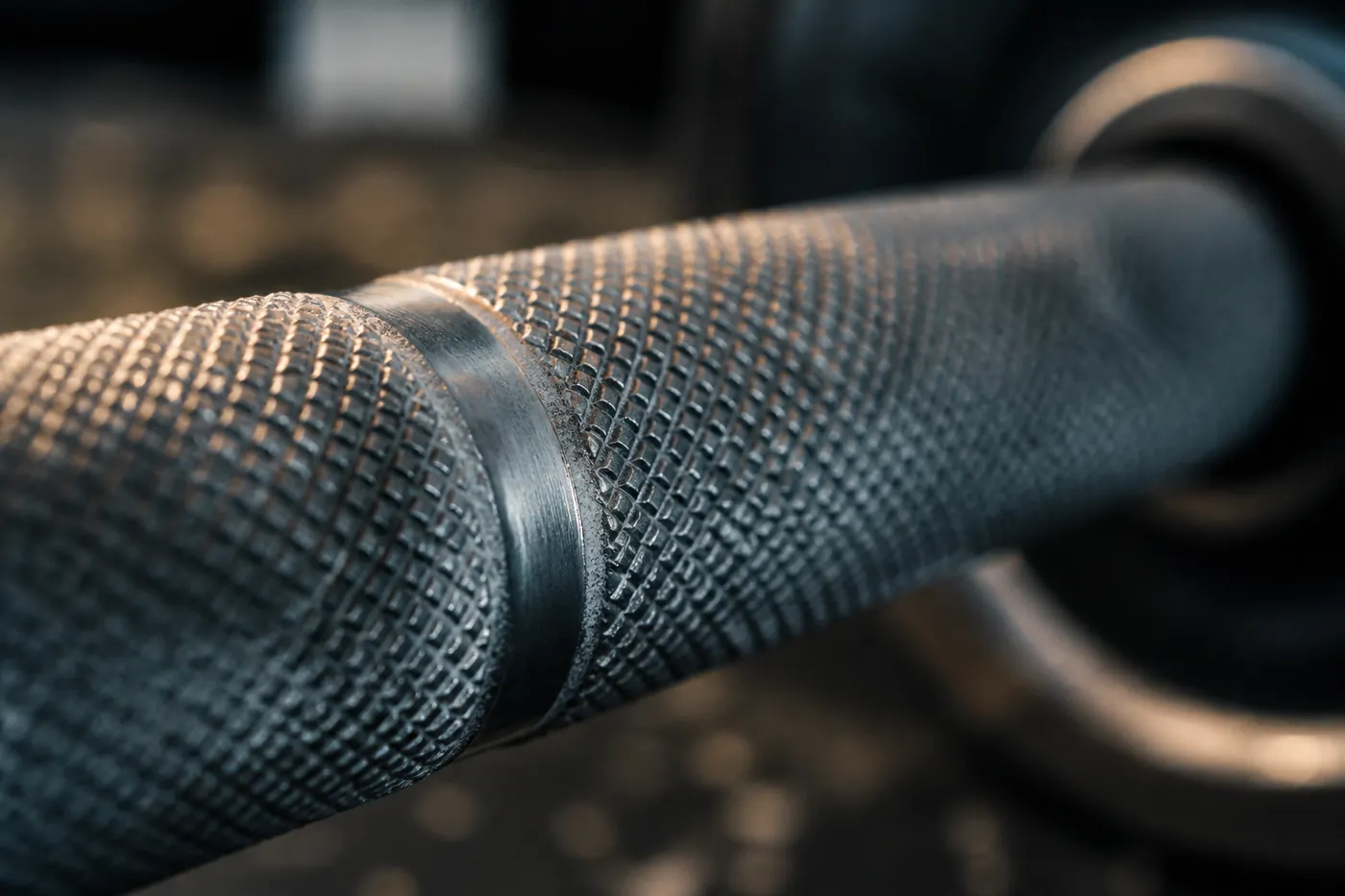
Tensile strength, whip, knurling, knurl marks, sleeve rotation, load ratings — what each number on the listing means and which ones matter to you.
Read the guide →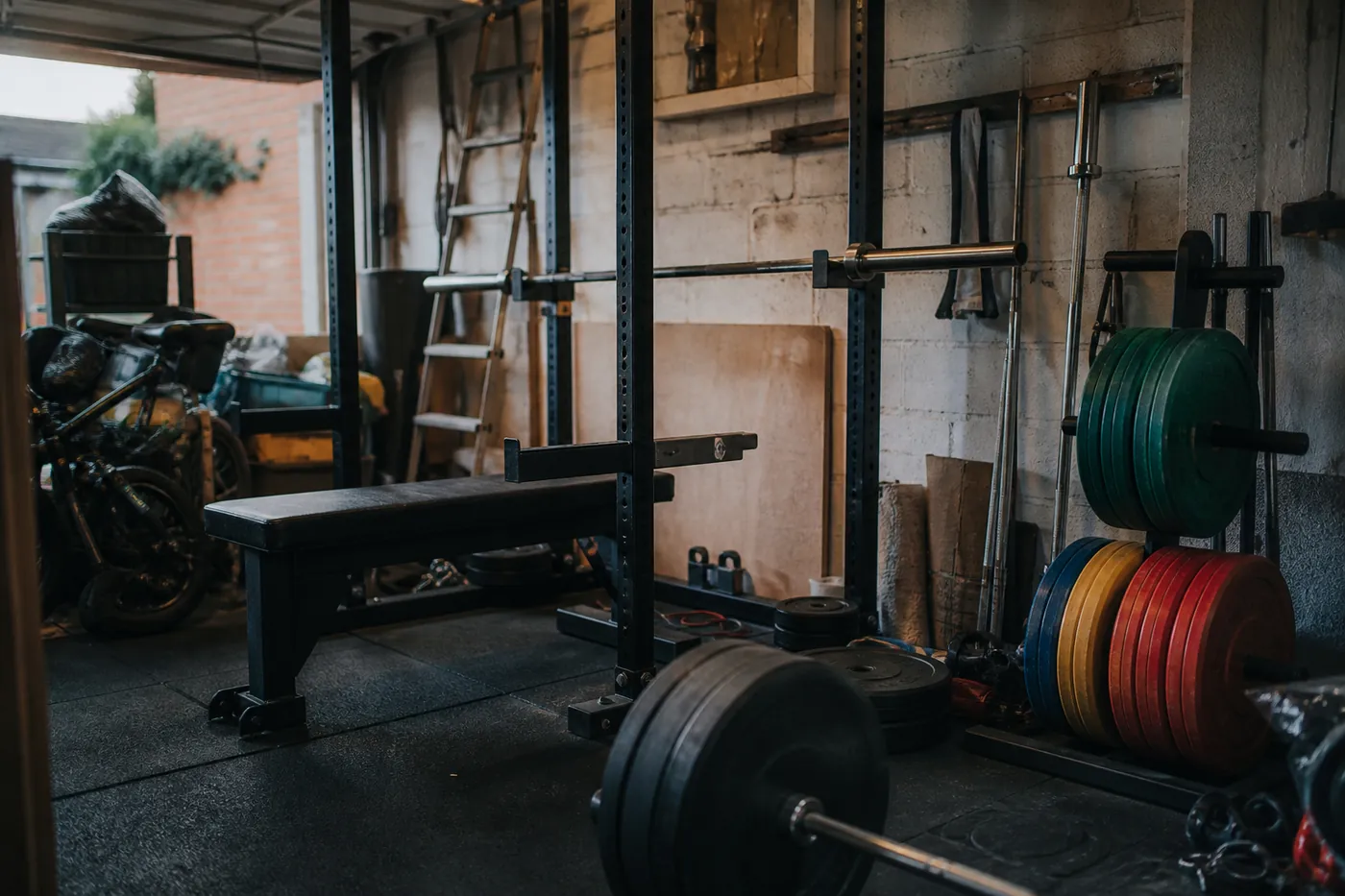
Buying a barbell for a home gym
Ceiling height, bar length, how damp your garage is, and why the finish matters more at home than it does in a commercial gym.
Read the guide →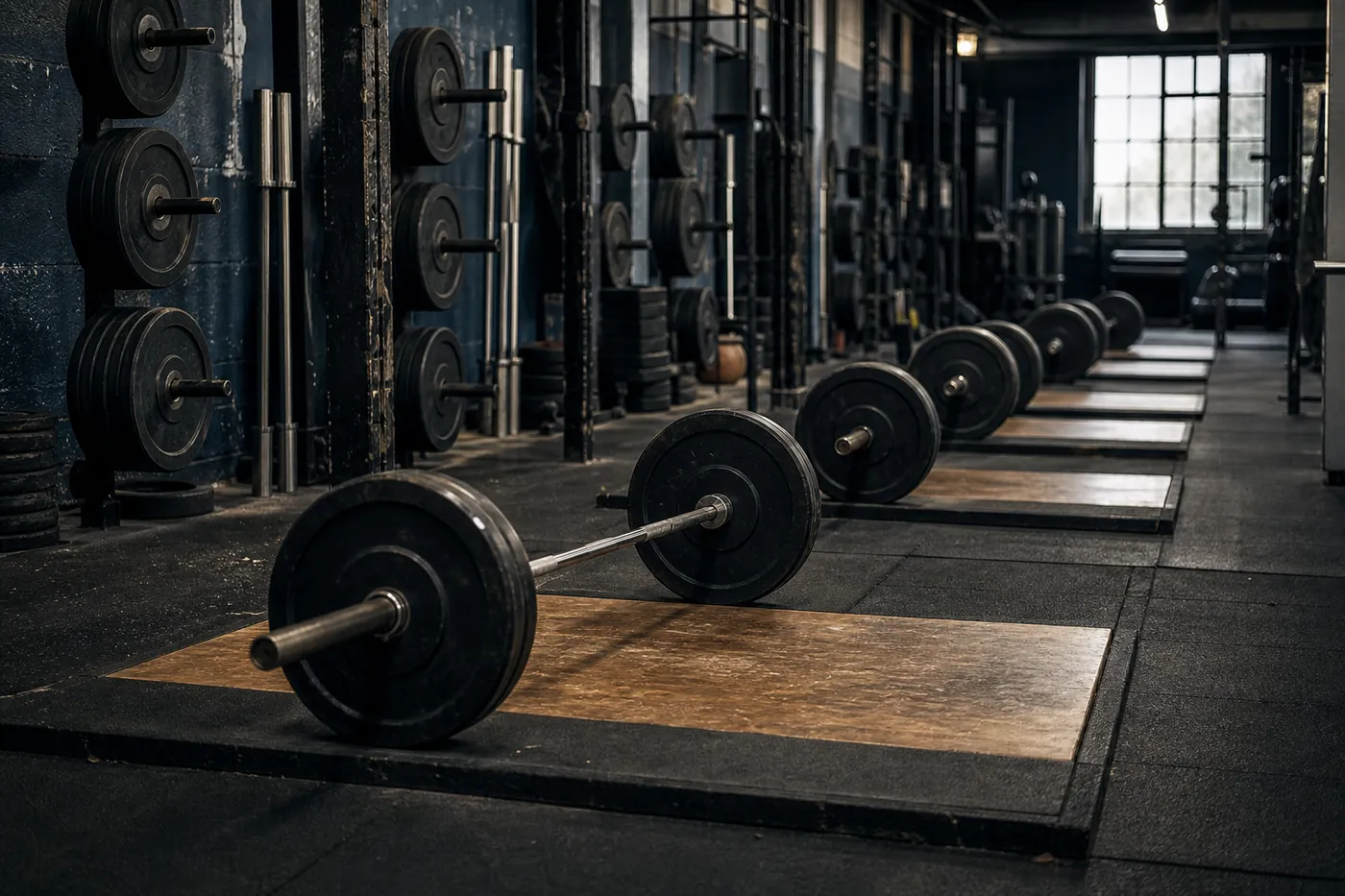
Buying barbells for a gym
Buying in quantity: load ratings, warranty terms, what gets dropped, replaceable sleeves, and how many bars of each type a floor actually needs.
Read the guide →