Buying a barbell for a home gym
A home gym imposes constraints a commercial gym does not: a ceiling, a wall, a concrete floor and a cold damp winter. Those four things should change what bar you buy, and they are the part most buying advice ignores completely.
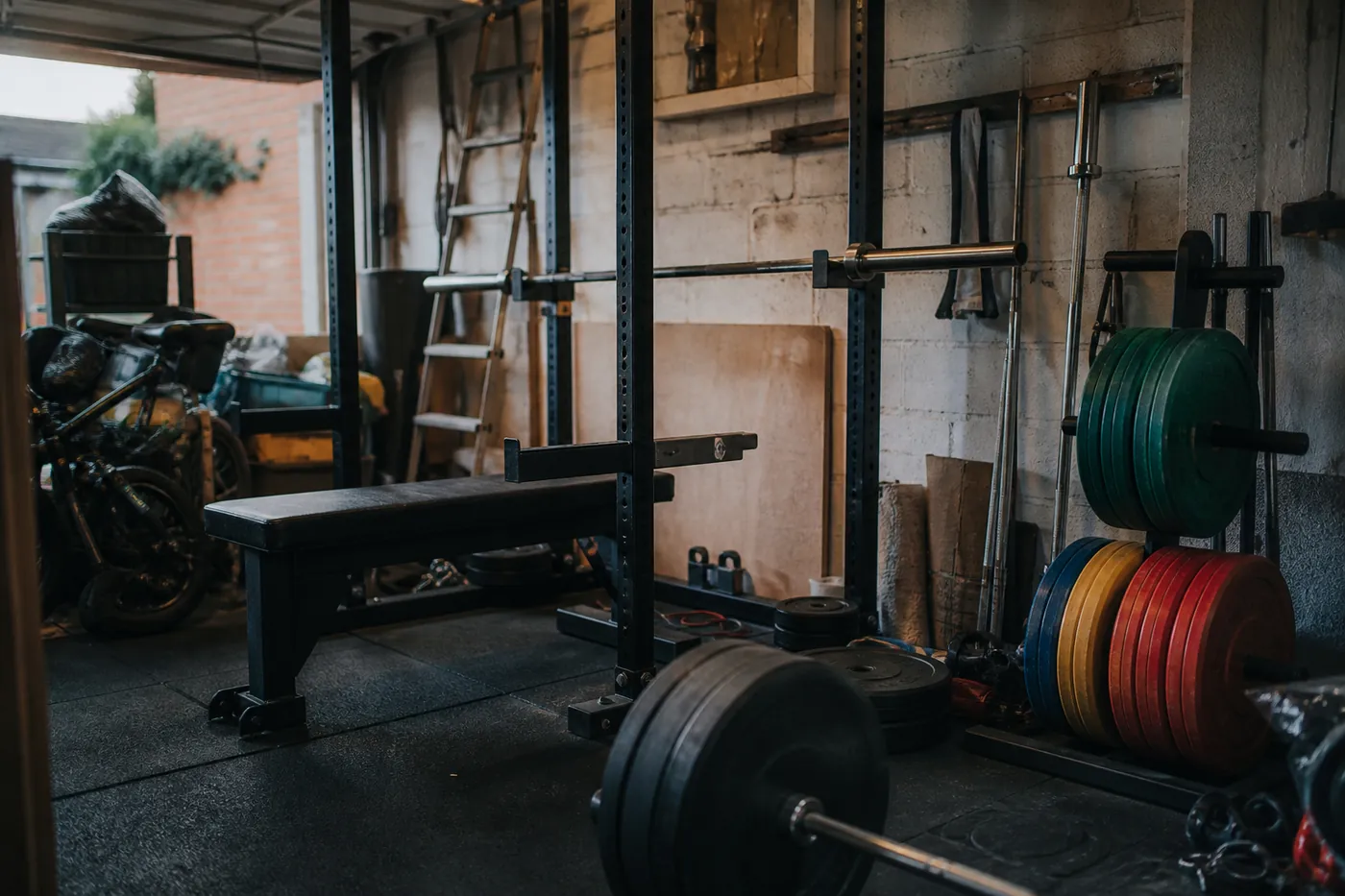
Measure these
- Room width, plus clearance to walk past the rack
- Ceiling height, with a tape, standing where you will press
- Floor: concrete, boards, or matting over the top
- Door width, for getting a 220cm bar in at all
- Whether the space is heated, which decides the finish
- Rack upright spacing against the bar’s centre section
What to buy first
Bar, collars, plates, rack, flooring — in that order. A £400 bar with 60kg of plates and nothing to squat in is the classic home gym mistake.
Bars specified for a home gym
Multipurpose geometry, published load ratings, and finishes that cope with a cold garage. Plus two short bars for rooms where a 7ft bar will not fit. Not a ranking.
Every figure is the manufacturer’s or retailer’s own published specification. An em dash (—) means they do not publish that figure — it is never a number we have guessed. “Tensile” is tensile strength in thousands of PSI. “Rotation” is bushings, needle bearings, or both in the same sleeve. No prices are listed here, deliberately: check the current price with the shop.
Home gym bars: common questions
Space, damp, budget order, and whether to upgrade later.
What ceiling height do I need?
For pressing overhead, measure your own reach with a bar locked out and add room to breathe — most people need about 2.4m, and tall lifters need more. If you are snatching, you need more again, because the bar finishes above your head with your arms straight and your body extended. A garage with a 2.2m ceiling rules out overhead work entirely, which changes what bar you should buy: there is no point paying for bearings you cannot use.
Will a 7ft bar fit in a single garage?
Usually, but check both the length and the clearance. A 7ft bar is about 220cm, and a standard single garage is about 240cm to 270cm wide, so it fits — but you need room to get it in and out of the rack and to walk round the ends. If it is tight, a 6ft "international" bar that keeps the full-length centre section is the sensible compromise.
Does my garage being cold and damp matter?
Yes, and it is the most underrated decision in home gym buying. An unheated garage in a British winter goes through condensation cycles, and bare steel or black oxide left alone will develop surface rust within weeks. Chrome, stainless and Cerakote all cope. If you want a bare steel bar, budget for wiping it down and oiling it regularly, and be honest about whether you will.
Can I just buy a cheap bar and upgrade later?
You can, and it is a perfectly reasonable plan if money is tight now. The thing to avoid is the bottom of the market, where listings publish no tensile figure and no load rating. A £70 bar from an unnamed maker will bend, and a bent bar is scrap rather than a trade-in. The sensible floor is a bar from a brand that will tell you what it is made of.
What do I need besides the bar?
Collars, which are cheap and non-negotiable. Plates, which will cost more than the bar. Something to lift in a rack — a power rack or at minimum a squat stand with safeties. And flooring, if you are going to drop anything: bumper plates on bare concrete will crack the concrete and damage the plates.
Bumper plates or cast iron for a garage?
If you will ever drop a loaded bar, bumpers, and they need a floor that can take them. If you only squat, press, row and deadlift under control, cast iron is far cheaper per kilo and completely sound. A lot of garage gyms end up with a pair of bumpers for the lifts and iron for everything else, which is a sensible answer.
Is a multipurpose bar really the right choice?
For a single-bar home gym, almost always. It is slightly less stiff than a power bar and slightly slower-spinning than a weightlifting bar, and most people never reach the point where either costs them anything. Buy the specialist bar second, once you know which direction you have gone in.
The other guides
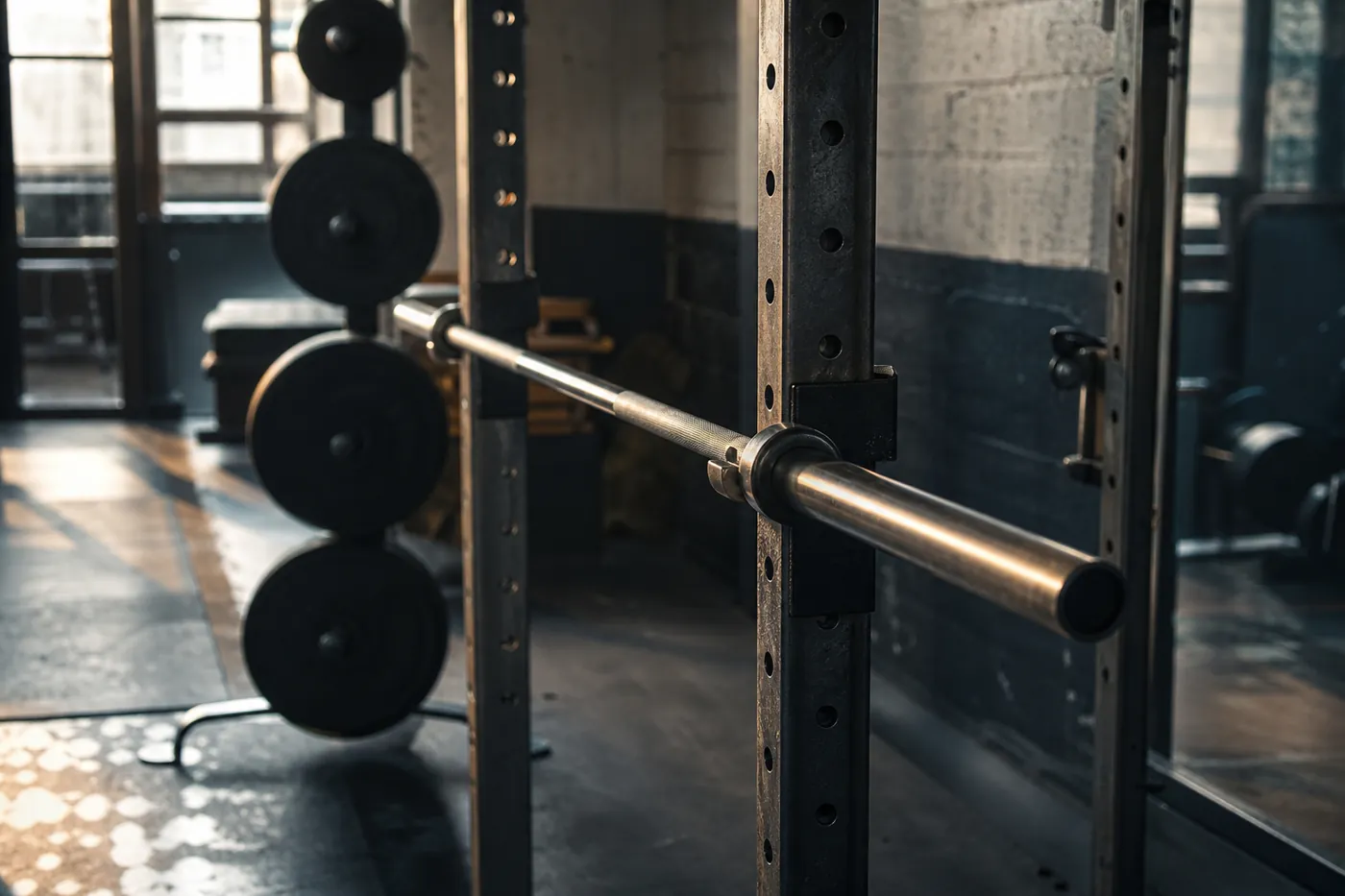
How to choose an Olympic barbell
The four decisions that settle it: what you lift, how thick the shaft is, bushings or bearings, and how much steel you actually need.
Read the guide →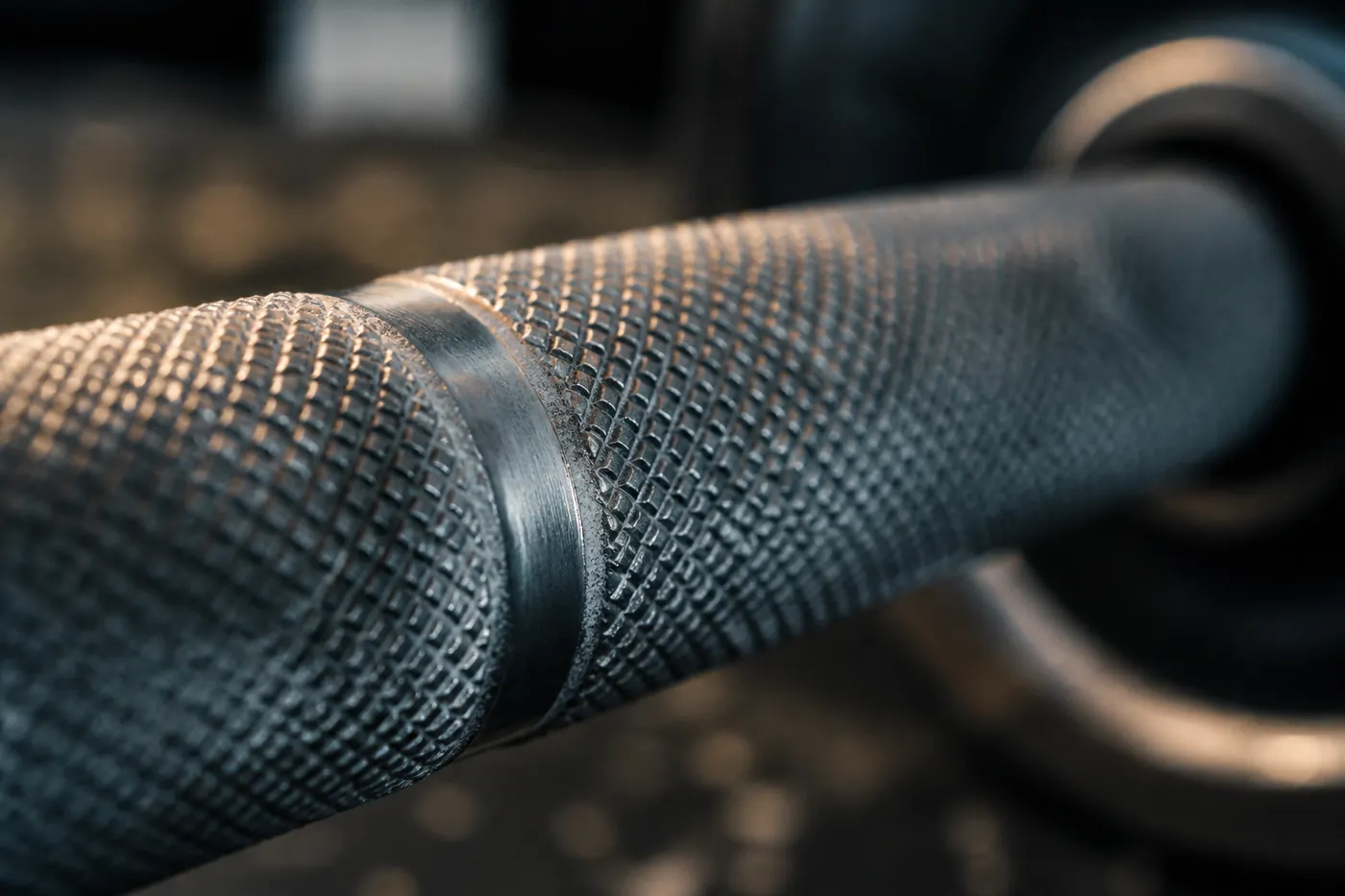
Barbell specifications explained
Tensile strength, whip, knurling, knurl marks, sleeve rotation, load ratings — what each number on the listing means and which ones matter to you.
Read the guide →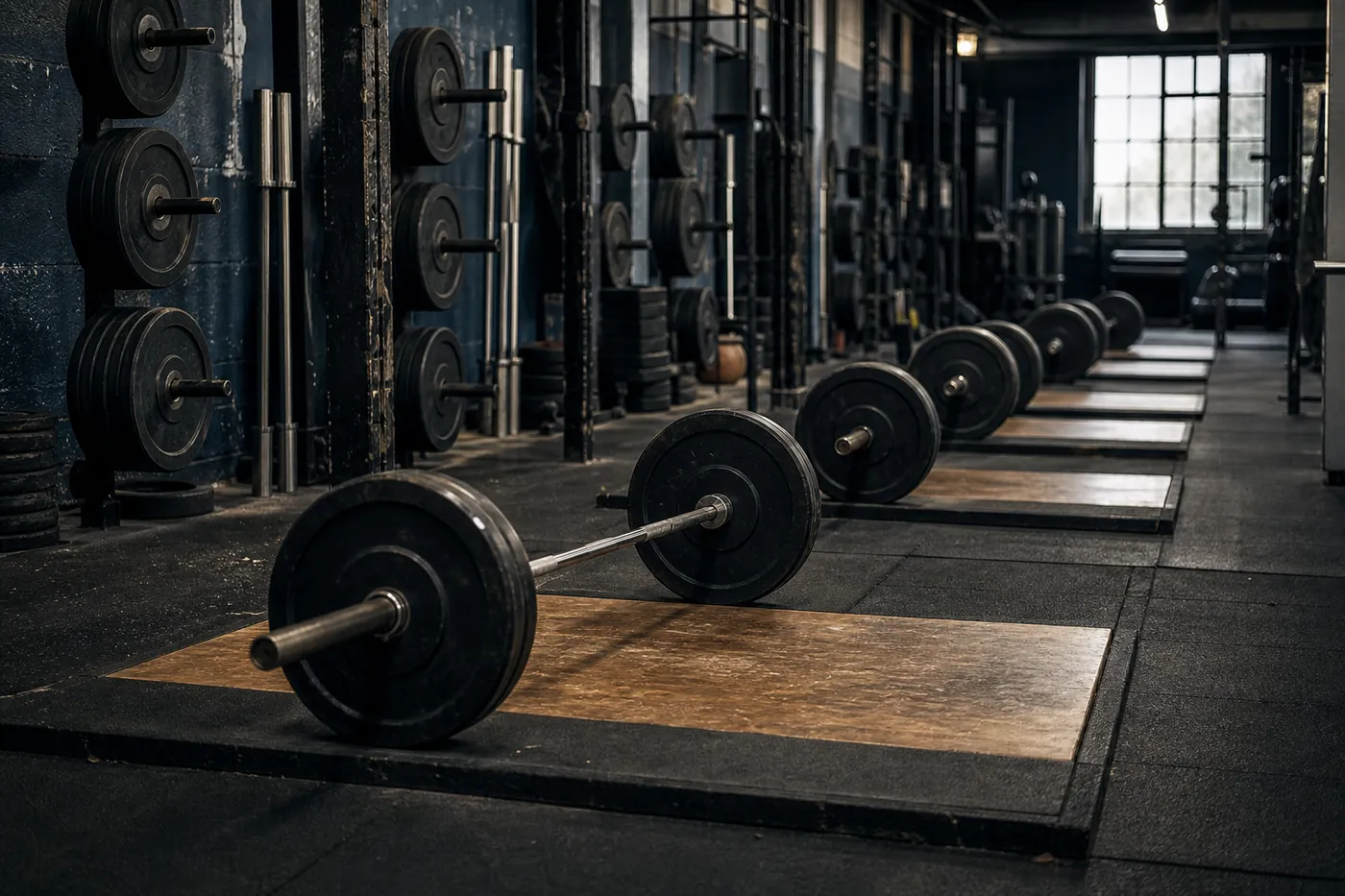
Buying barbells for a gym
Buying in quantity: load ratings, warranty terms, what gets dropped, replaceable sleeves, and how many bars of each type a floor actually needs.
Read the guide →