Buying barbells for a gym
Buying for a floor is a different problem from buying for yourself. Nobody will look after the bar, it will be dropped and chalked and loaded unevenly, and when one breaks a rack goes out of service. That changes which specifications matter — and it makes the warranty wording as important as the steel.
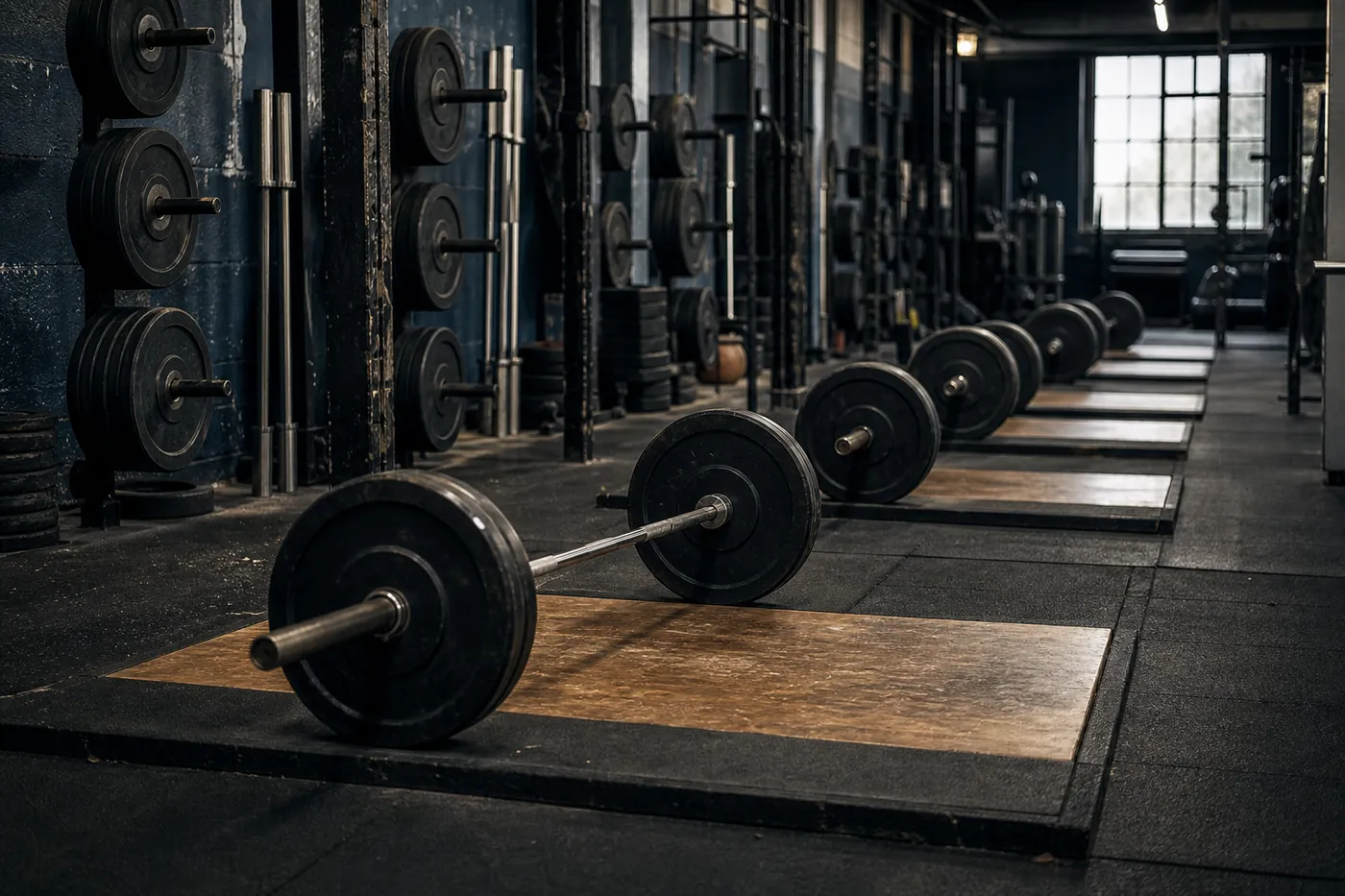
Before a quantity order
- Tested load and drop rating, in writing
- What the warranty covers under commercial use
- Whether dropping is excluded from the warranty
- Whether sleeve and bearing kits are sold separately
- Lead time now, and lead time on a replacement
- Trade terms and whether the spec sheet is the current revision
- Whether they will send one bar to try before you commit
Spend here instead
Flooring and enough bumper plates will extend bar life more than paying extra per bar will. Most gym bars die from being dropped onto the wrong surface, not from being lifted.
Bars aimed at gym floors
The bars on this site with the highest published load ratings or an explicitly commercial specification. Compare the ratings, then ask the supplier about the warranty. Not a ranking.
Every figure is the manufacturer’s or retailer’s own published specification. An em dash (—) means they do not publish that figure — it is never a number we have guessed. “Tensile” is tensile strength in thousands of PSI. “Rotation” is bushings, needle bearings, or both in the same sleeve. No prices are listed here, deliberately: check the current price with the shop.
Buying for a floor: common questions
Quantities, warranties, mixing brands, and what actually wears bars out.
How many bars does a gym floor need?
It depends entirely on what is programmed, but a rough starting point for a mixed strength gym is one bar per rack plus two spare, and for a weightlifting floor one bar per platform plus one. The spares matter more than people plan for: a bar out of action for a fortnight waiting on a sleeve is a rack out of action, and a rack out of action at six in the evening is a membership problem.
What should I prioritise buying in quantity?
Published drop and load ratings, warranty terms, and whether the sleeve is serviceable. In a commercial setting the bar is not going to be looked after — it will be dropped, chalked, loaded unevenly and left outside the rack. Steel grade matters, but survivability matters more, and the makers who sell to gyms publish tested capacities rather than only tensile figures.
Is a warranty against bending worth anything in a gym?
Read it very carefully, because many lifetime warranties against bending explicitly exclude commercial use, or exclude damage from dropping, which is the main way gym bars die. Ask the supplier directly what is covered under commercial use and get the answer in writing before buying in quantity. Warranty terms vary far more than specifications do.
Should I buy the same bar for every rack?
For racks, yes — consistency means members get the same feel wherever they train and you can carry one set of spare parts. For a weightlifting platform area you want bearing bars, and for a powerlifting corner you want 29mm power bars, so most floors end up with two or three bar types rather than one.
How do I stop bars wearing out?
Three things, and none of them is about the bar. Flooring that can take a dropped loaded bar. Enough bumper plates that members do not drop iron. And a rule, enforced, about not dropping an empty or lightly loaded bar, which is what actually bends sleeves. A maintenance schedule — wipe down, check sleeve spin, check for bend by rolling — catches problems before they become replacements.
Do I need certified bars to host a competition?
If the meet is sanctioned by a federation, yes, and the federation will specify exactly what. IWF for weightlifting, IPF for powerlifting, WPPO for para powerlifting. On this site only Eleiko carry those certifications. For training-only floors, certification is money spent on something nobody will use.
Can I mix brands on one floor?
You can, and lots of gyms do, but members notice. A 28mm bar and a 28.5mm bar on neighbouring racks feel different, knurl sharpness varies a lot between makers, and the person who always trains on rack three will complain the week it gets a different bar. If you mix, mix by area rather than at random.
The other guides
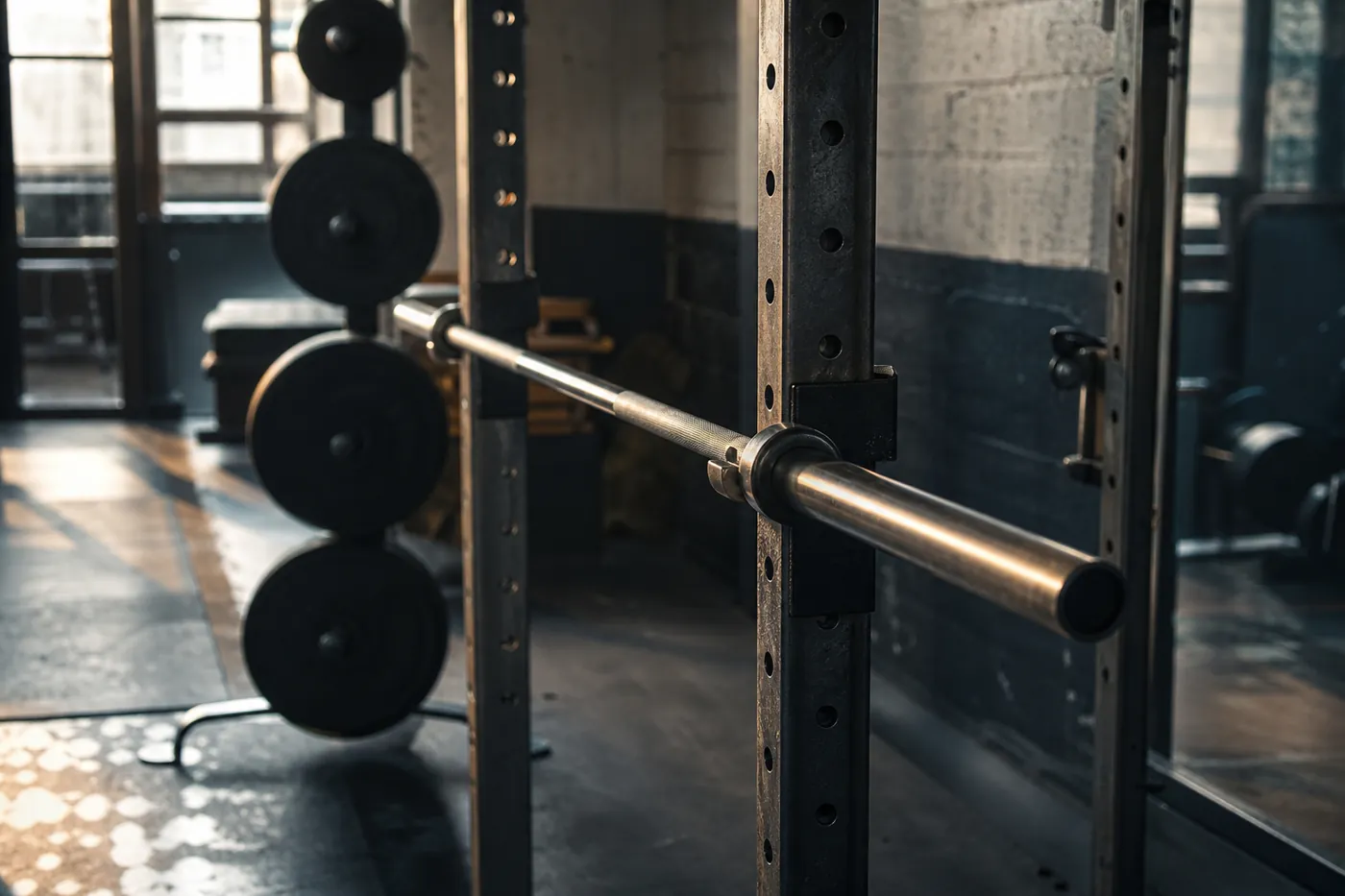
How to choose an Olympic barbell
The four decisions that settle it: what you lift, how thick the shaft is, bushings or bearings, and how much steel you actually need.
Read the guide →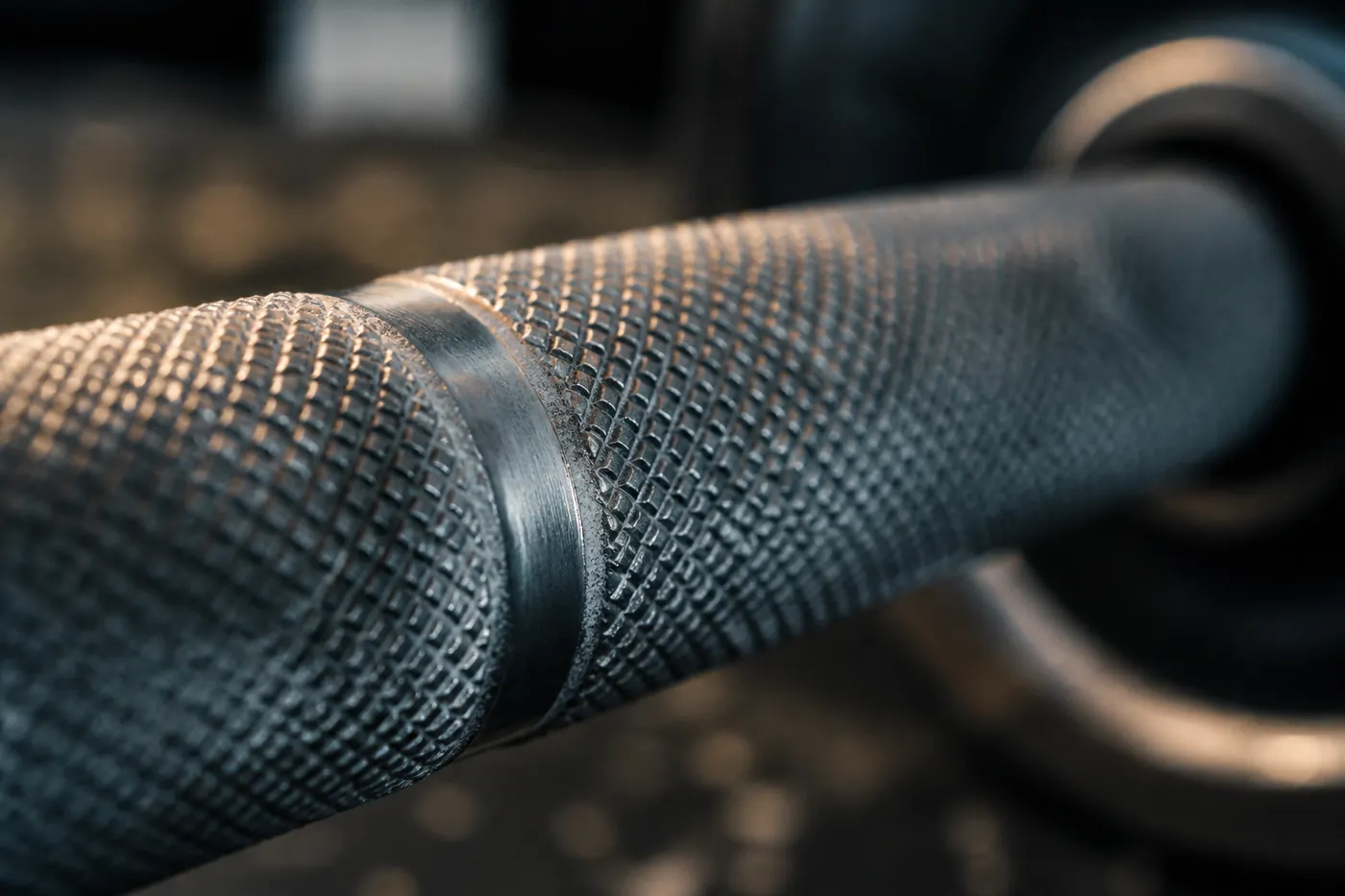
Barbell specifications explained
Tensile strength, whip, knurling, knurl marks, sleeve rotation, load ratings — what each number on the listing means and which ones matter to you.
Read the guide →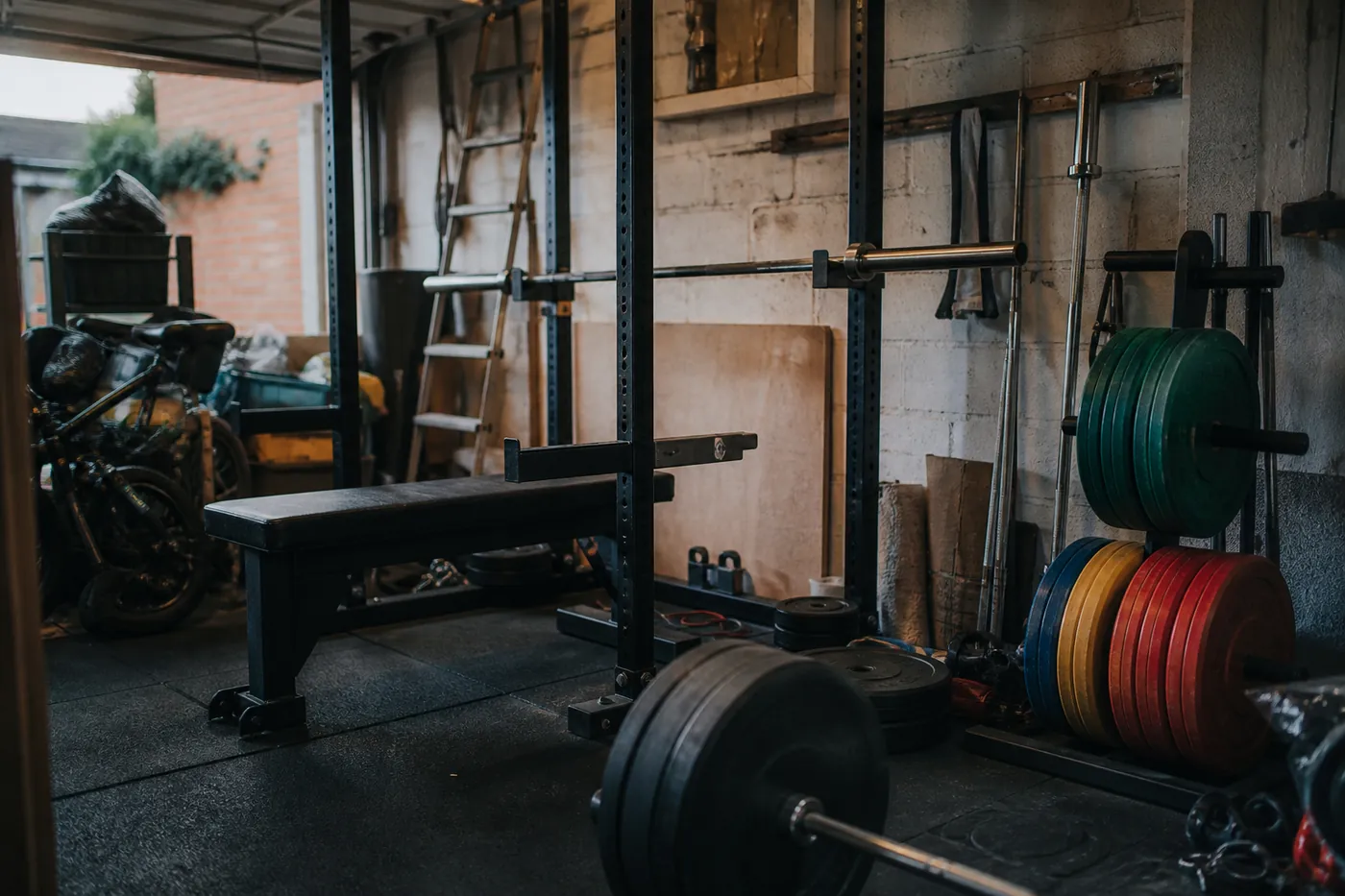
Buying a barbell for a home gym
Ceiling height, bar length, how damp your garage is, and why the finish matters more at home than it does in a commercial gym.
Read the guide →