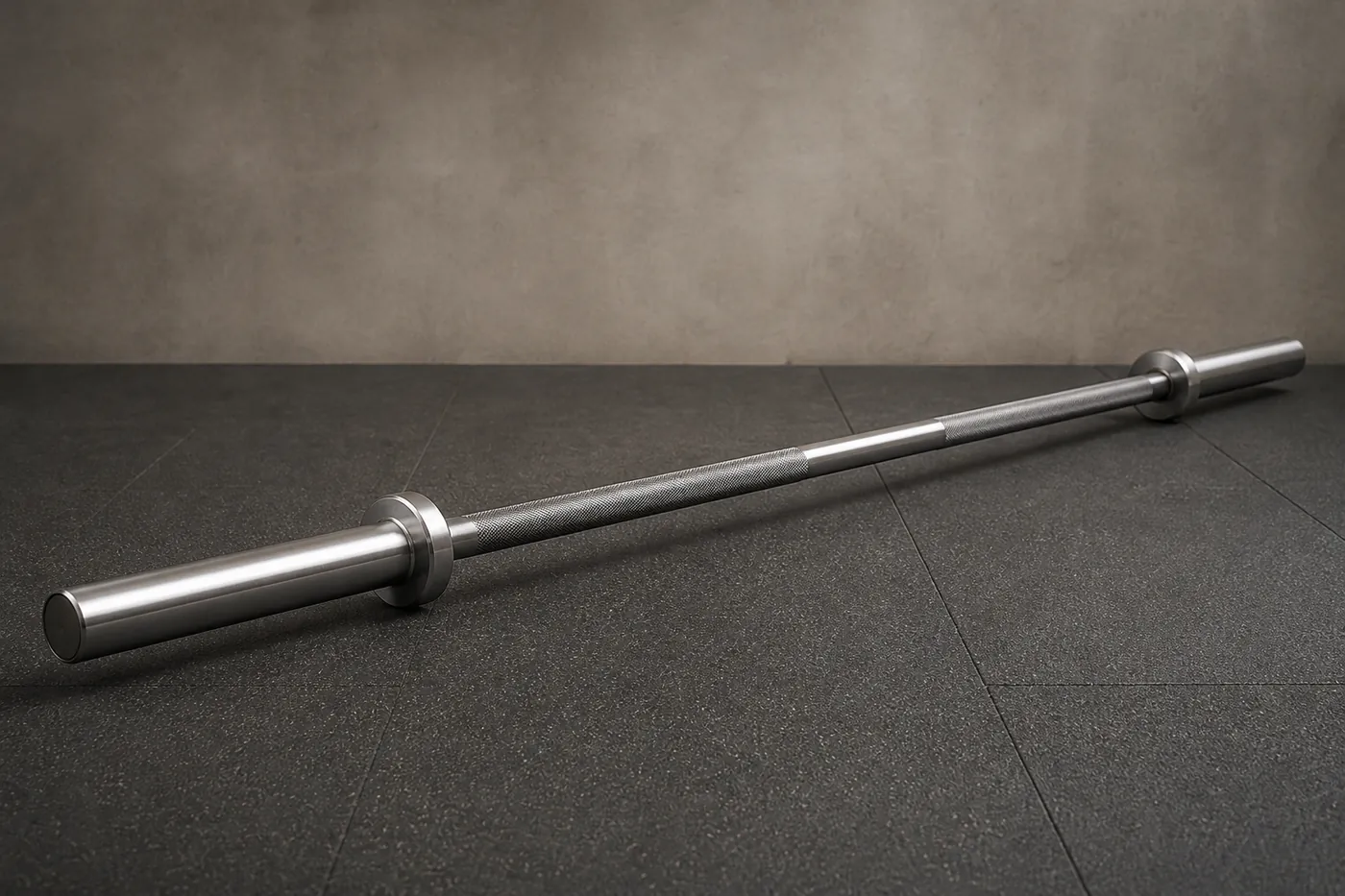
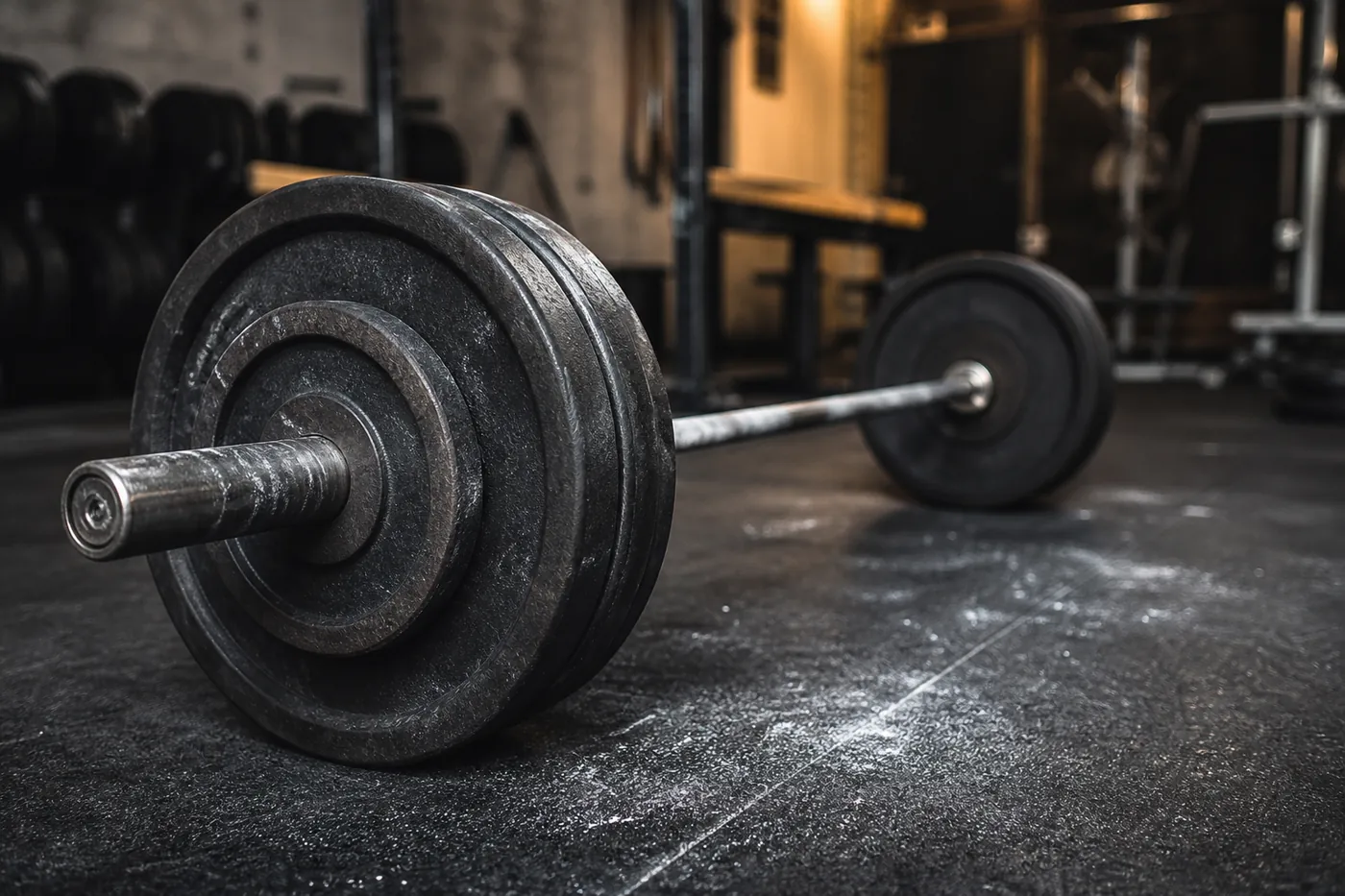
How the whip actually helps
Two things happen. First, you get to apply force to the bar before the plates move, so you are already braced and pulling hard at the moment the weight breaks the floor. Second, the bar’s bend effectively raises the plates slightly, shortening the distance they travel.
Strength Shop’s own explanation on the Riot Deadlift Bar listing is the clearest: the thinner shaft flexes more under load, creating slack that lifters can pull out before the plates leave the floor.
Why you must not squat or bench with one
The flex that helps a deadlift makes a loaded bar unstable across your back and genuinely dangerous over your chest. Buddy Capps state outright on the Texas Deadlift Bar listing that it is not recommended for squats or bench press. Take them at their word.
This is the thing to understand before buying: a deadlift bar cannot be your only bar. It is a second or third bar.
Length, and whether it fits
Deadlift bars are long. The Rogue Ohio Deadlift Bar is 2299mm with 56 inches between the sleeves; the Texas Deadlift Bar is 2350mm with 56.5 inches. That is up to 15cm longer than a 7ft bar.
Measure your platform, your rack width and the walls either side before ordering. A 2350mm bar in a single garage is a tight fit, and you need room to walk around the ends.
The knurl
Deadlift bars have the most aggressive knurling of any bar, because a maximal pull has to stay in your hands with no hook from the floor and no help from a rack. Strength Shop cut 1.5mm knurling on the Riot; Texas describe theirs as the most aggressive in their range; Mirafit call the Behemoth’s knurl aggressive mountain.
There is no centre knurl, deliberately. The bar drags up your shins and thighs on every rep and a centre knurl there would take skin off.